
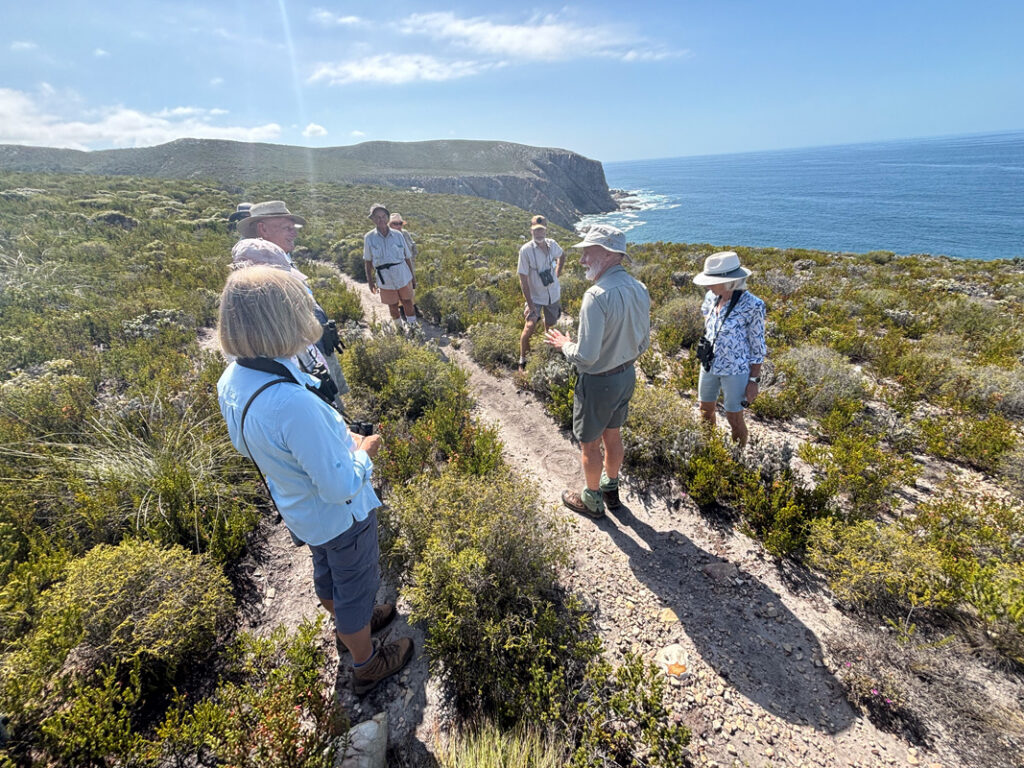
From indigenous forest and fynbos to wetlands, rivers and the open ocean, birding offers a different way to experience Bitou.
There are many mornings in Bitou when something catches your attention before the day has set in. Movement in the trees. A flash of colour beside the river. A raptor circling overhead. Shorebirds picking their way along the water’s edge while the rest of us are busy somewhere else.
You don’t have to know the names of the birds to notice them. That can come later. Birding, at its simplest, is really just about paying attention. And in a place like Bitou, there’s plenty to pay attention to.
Why Bitou Is Made for Birding
One of the things that makes birding in Bitou so interesting is the variety of landscapes found within a relatively small area. There’s indigenous forest and fynbos, rivers and wetlands, estuaries, coastline and, beyond that, the open ocean.
Each habitat brings different birdlife with it. You can spend a morning listening for birds beneath a forest canopy and later find yourself watching waterbirds along an estuary. Head offshore and the experience changes again, with seabirds that many rarely, if ever, encounter from land.
But you don’t need to set out with a checklist to enjoy any of it. Birding simply gives you a reason to look at familiar places differently. Instead of driving alongside the river, you start watching its banks. A wetland that barely registered before suddenly deserves a second look. On a forest walk, you find yourself listening to what’s happening above you. Even an ordinary walk along the beach changes when you start noticing who else is using the shoreline.
You Don’t Need to Be a Birder
Birding can look a little intimidating from the outside. There are experienced birders who can identify a species from a call you barely heard, or distinguish between two birds that look almost identical from what seems an impossible distance.
The rest of us can start somewhere much simpler. What made that call? Why are those birds gathering there? Why do you see one species near the river and another in the forest? Where do they go at different times of the year? Curiosity is enough to get started.
A pair of binoculars certainly helps, as does a field guide or birding app, but neither is a requirement for simply becoming more aware of the birdlife around you. Once you begin noticing, the questions tend to follow naturally.
Along the Bitou River
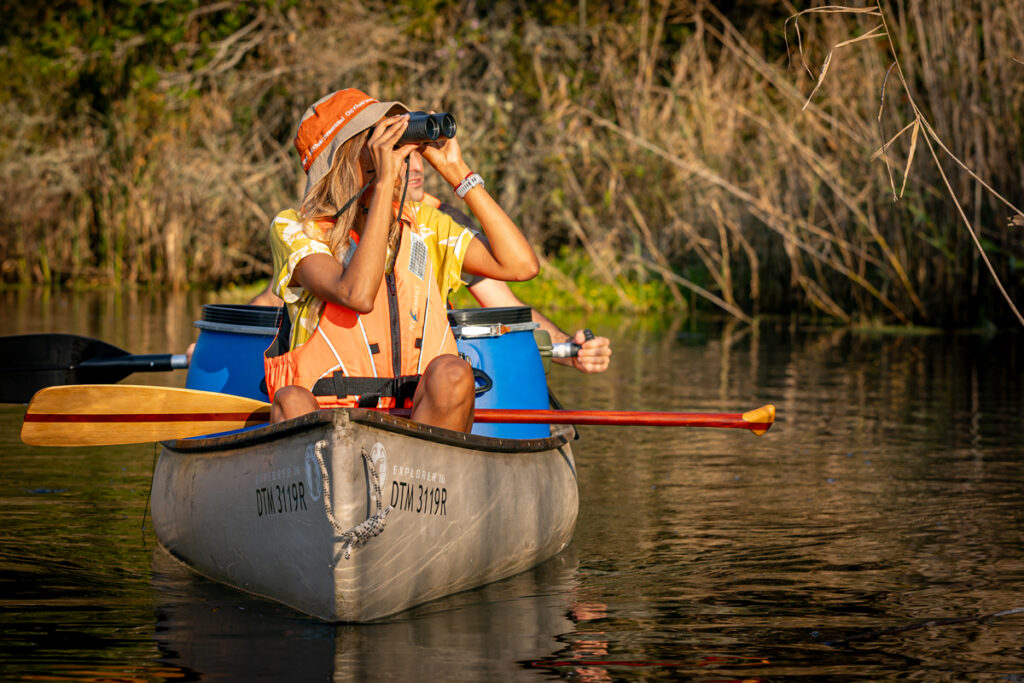
For many people who live here, the Bitou River is part of the everyday landscape. We cross it. Drive alongside it. Catch glimpses of it on the way into or out of town. Spend a little time beside the water, though, and what first appears quiet can become surprisingly busy.
Birds feed in the shallows, move between vegetation and gather in different parts of the wetland. What you see can change with the tide, weather, water levels and time of day. And the longer you watch, the more you notice. That’s one of the pleasures of birding. It can make somewhere you’ve passed hundreds of times feel unfamiliar again.
Into the Forest
Forest birding asks for a different kind of attention. Often, you’ll hear a bird before you see it. There might be movement somewhere above the path, a call from deeper among the trees, or a brief glimpse between branches before the bird disappears again. And you may not find what you’re looking for immediately, but that’s part of the appeal.
In a world where we’re used to reaching for a screen whenever we want an answer, there’s something refreshing about standing quietly beneath the trees and simply breathing and listening for a while. The forest works on its own schedule.

Wetlands Are Busier Than They Look
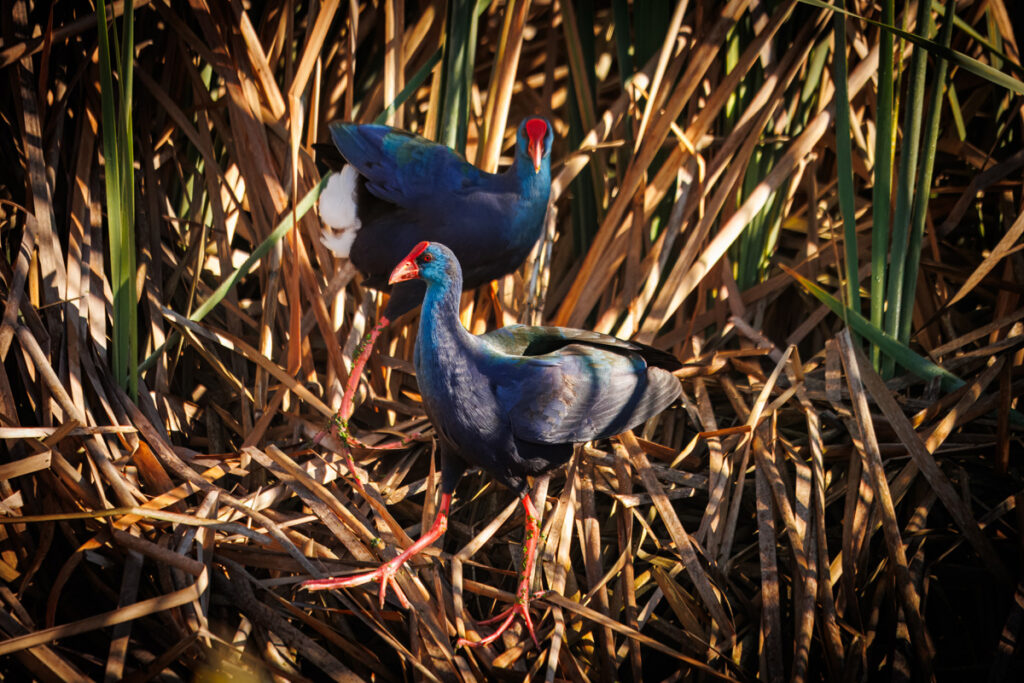
Wetlands can be easy to overlook beside Bitou’s more dramatic coast and forest landscapes, but they perform an important ecological role. For birds, the combination of shallow water, exposed margins, vegetation and feeding areas creates valuable habitat.
Conditions are constantly changing. Tides expose feeding areas and cover them again. Water levels shift. Some birds work the margins while others favour open water. Watching the birds gives you clues about those changes. You begin to see a wetland not as empty space, but as a living system.
And Then There’s the Ocean
Bitou’s birdlife doesn’t end at the shoreline. Heading offshore opens up another world entirely. Pelagic birding, essentially birding out at sea, offers the possibility of seeing species that spend much of their lives over the ocean and are rarely encountered from land.
It also comes with one of the best things about wildlife watching – you never quite know what the day will bring.
A planned birding trip can produce something completely unexpected, whether it’s an unusual seabird or another marine visitor appearing alongside the boat. Wildlife doesn’t work to an itinerary. Sometimes that’s exactly what makes an outing memorable.

Birding and Conservation Go Hand in Hand
The more you notice birds, the harder it becomes to ignore the places they depend on.
A wetland is no longer simply an open patch of water when you’ve watched birds feeding there. A stand of indigenous forest becomes more than a collection of trees when you begin recognising the calls coming from the canopy. That connection between birding and conservation is important.
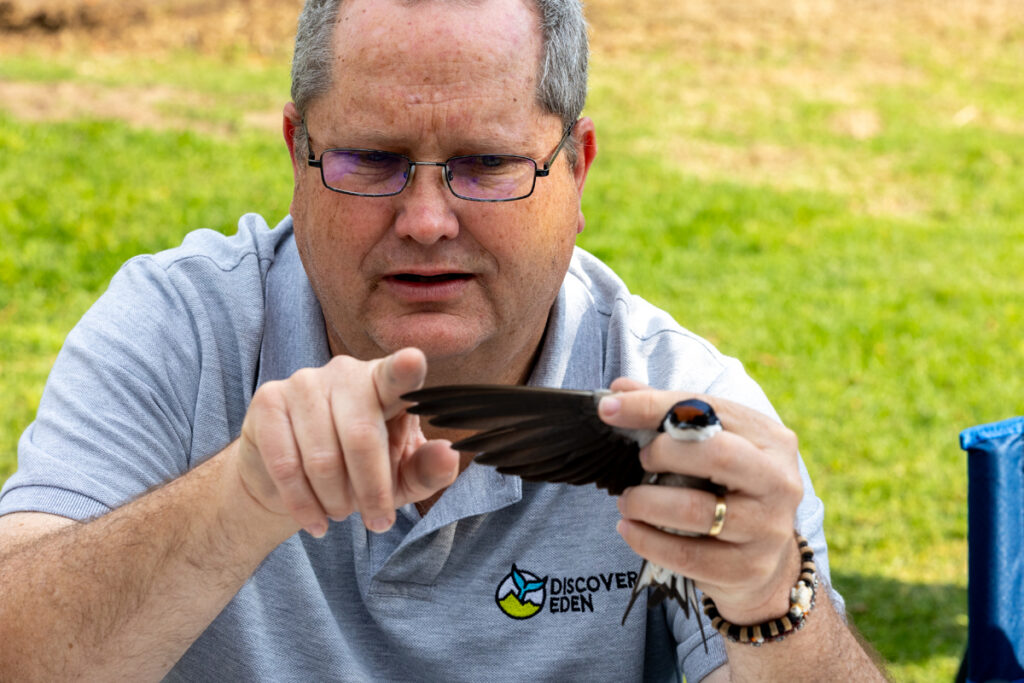
Monitoring bird populations can help researchers understand how bird numbers, distributions and habitats change over time, while bird-ringing programmes provide valuable insights into individual birds’ movements, survival rates and population dynamics. Together with long-term citizen-science projects, these research methods contribute to a clearer understanding of biodiversity and can help inform conservation priorities. BirdLife South Africa’s citizen-science programmes provide more information on how projects including SABAP2, CWAC and SAFRING contribute to bird monitoring in southern Africa.
But conservation doesn’t only begin with research. For many people, it starts much more simply by seeing something, becoming curious about it and then caring what happens to it.
The Bitou Birding Festival
This October, there is an especially good reason to start looking. The Bitou Birding Festival returns from 23-30 October 2026, bringing birders, conservationists, researchers, residents and visitors together around the region’s birdlife.
Festival programmes have included guided bird walks, river and estuary excursions, canoe and boat trips, pelagic outings, bird-ringing demonstrations, conservation talks, workshops and family activities. Importantly, you don’t need to arrive as an experienced birder.
The festival offers an opportunity for people who already know their birds to explore different habitats, but it can also be an easy introduction for anyone who has simply wondered what they’ve been hearing in the garden every morning.
For current festival dates, activities and booking information, check the official Festival event.
View the full festival programme and book activities through the official Bitou Birding Festival website.
Take the Children Along
Birding is also one of those rare family activities that doesn’t need much organising.
Binoculars are useful, but a notebook, camera or simple challenge to find five different birds can be enough to turn an ordinary walk into something quite different. Children tend to provide the questions. What bird is making that noise? Why does that one have such a long beak? Why is this bird walking on the sand while another stays in the trees?
You don’t necessarily need to know the answers, as finding them together is half the fun.
Take Your Curiosity a Little Further
If you’d like to start keeping track of the birds you see around Bitou, the free BirdLasser app – Record Your Bird Sightings, is a useful place to begin. Developed for recording bird sightings, it allows you to keep a record of the species you’ve encountered and where you’ve seen them. Sightings can also contribute to South African bird-monitoring and conservation projects.
For ideas on where to go birdwatching, BirdLife South Africa’s GoBirding – Explore Birding Locations website provides information about birding locations and guides.
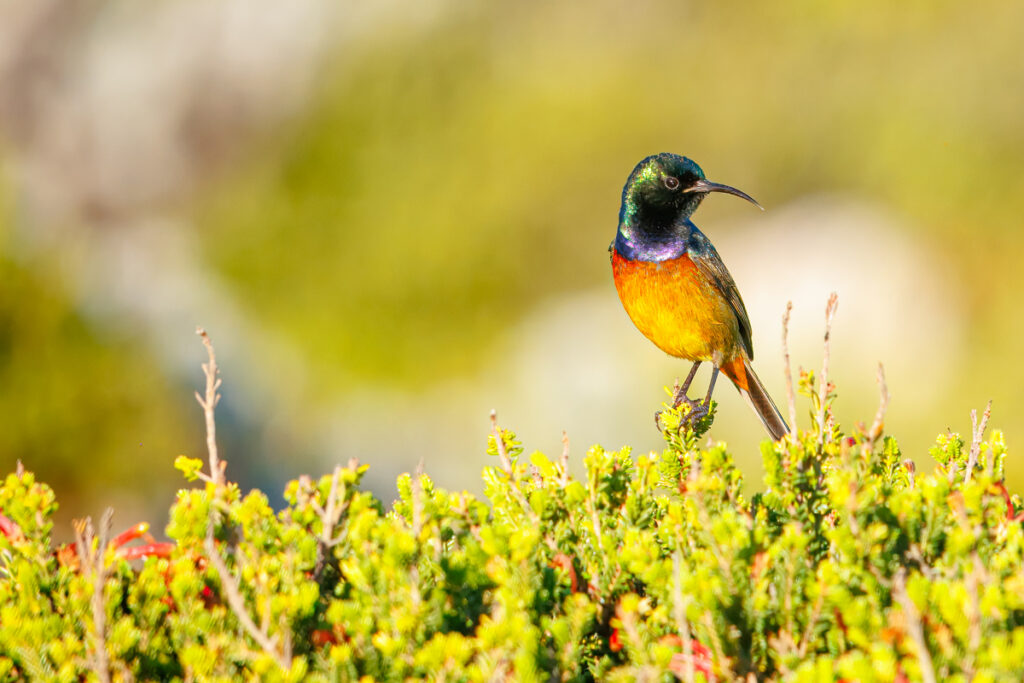
See a Familiar Bitou Differently
Perhaps the best thing about birding is that you don’t necessarily have to go anywhere new. If you live in Bitou, you may have crossed the Bitou River hundreds of times. Driven through The Crags. Walked along the beach. Passed wetlands without giving much thought to what was living there.
There are probably birds visiting your garden that you recognise without knowing their names. Start paying attention and familiar places begin to change. You recognise a call you’ve heard before. You notice where a particular bird feeds. A wetland you’ve driven past for years becomes somewhere worth stopping.
Bitou hasn’t changed. You’re just being more aware of it.
Slow Down. Look Up.
You don’t need to become a serious birder. You don’t need a life list, expensive equipment or expert knowledge. Start with what’s around you.
Next time you cross the Bitou River, glance towards the water. When you walk beneath the trees, listen for what’s above you. On the beach, watch what’s happening along the shoreline.
And every now and then, look up. You might be surprised by what’s been there all along.